
News
From ‘lazy youths’ to Twitter ban: Buhari’s most talked-about online controversies

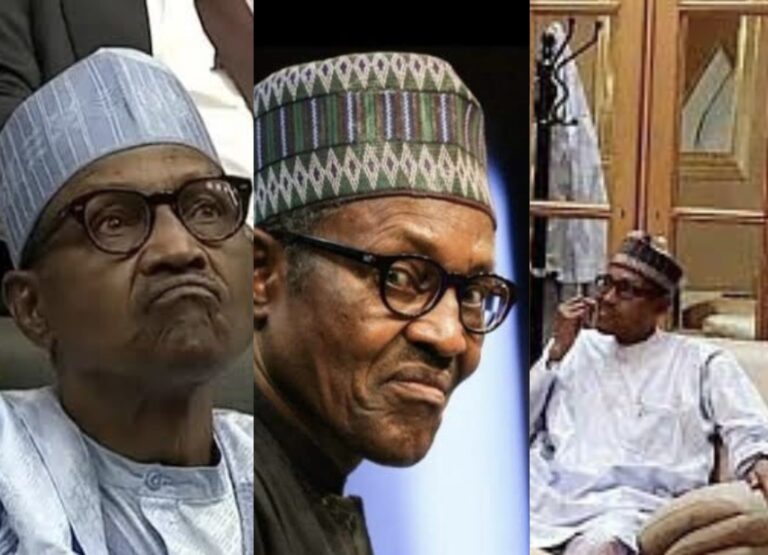
The late Muhammadu Buhari, who passed away on Sunday at 82, left an indelible mark on Nigeria’s political and digital consciousness.
His eight years at the helm were not just about policy pronouncements and economic reforms; they were also a fertile ground for viral moments, intense digital outrage, and sustained, often humorous, online criticism.
As the nation mourns his passing, these are 10 of the most talked-about and controversial Buhari moments that dominated social media discourse and will forever define a significant era in Nigerian public life
1. ‘Lazy Nigerian Youths’ Trend (2018)
In 2018, during a high-profile engagement at the Commonwealth Business Forum in London, then-President Buhari delivered a statement that would reverberate across Nigeria’s digital space for years.
He suggested that many young Nigerians were content to “do nothing” despite growing up in an oil-rich country, implying a sense of entitlement.
Though he didn’t use the exact phrase “lazy Nigerian youths,” that loaded interpretation is precisely how it exploded and trended online.
The backlash was immediate and massive, with #LazyNigerianYouths flooding timelines for weeks, becoming both a hashtag of protest and a symbol of perceived governmental disconnect from the struggles of young Nigerians.
2. The ‘Jubril of Sudan’ Rumour
Following President Buhari’s prolonged medical trip in London in 2017, the rumour mill went into overdrive. Bizarre conspiracy theories primarily propagated online, emerged claiming that he had died and had been secretly replaced by a clone named “Jubril” from Sudan.
Despite its absurdity, the theory gained surprising momentum on social media, becoming a persistent talking point until Buhari himself publicly debunked it in 2018.
Addressing Nigerians in Poland, he stated, with a rare chuckle: “It’s the real me, I assure you.”
Yet, even his direct denial only seemed to fuel more memes, jokes, and wilder speculation.
3. The Twitter Ban (2021)
Perhaps one of the most drastic and globally condemned actions of his presidency was the suspension of Twitter’s operations in Nigeria in June 2021.
The move came swiftly after Twitter deleted one of Buhari’s tweets referencing the civil war, which the platform deemed in violation of its rules against abusive behaviour.
The ban, which lasted seven months, sparked widespread global criticism from human rights organisations and international bodies, who decried it as an infringement on fundamental freedoms.
Domestically, it led to a massive surge in Virtual Private Network usage among Nigerian users, who found alternative ways to access the platform, underscoring the resilience of digital engagement in the face of state censorship.
4. Border Closure Policy (2019–2020)
In August 2019, President Buhari’s administration took the drastic step of unilaterally shutting Nigeria’s land borders, primarily to curb smuggling and stimulate local agricultural production.
While some proponents lauded the move as a necessary step for national self-sufficiency, social media was quickly flooded with a torrent of complaints.
Nigerians vented their frustrations over soaring food inflation, the collapse of cross-border trade, and the worsening economic hardship for countless small businesses and ordinary citizens.
The policy’s perceived failures became a constant target of online lament.
5. #EndSARS and Delayed National Address (2020)
The nationwide #EndSARS protests against police brutality and bad governance in October 2020 represented one of the most significant challenges to Buhari’s authority.
A defining moment of that period was the President’s prolonged silence for days as the protests escalated, culminating in the tragic Lekki Toll Gate shooting.
His eventual national address, when it finally came, was widely criticised for its perceived lack of empathy and failure to directly address the Lekki incident.
The hashtag #WhereIsBuhari trended heavily, reflecting public frustration over his apparent detachment during a critical national crisis.
6. Cashless Policy Chaos (2023)
In the twilight of his administration, Buhari’s government, through the Central Bank of Nigeria, introduced a controversial cashless policy alongside a radical redesign of the naira currency notes.
The implementation of this policy led to severe cash scarcity across the nation, triggering widespread public frustration, economic disruption, and even violent protests in some areas.
Angry Nigerians, unable to access their funds for daily transactions, incessantly vented their fury online and offline, creating another potent wave of criticism that followed his government to its final days.
7. “My Wife Belongs to the Kitchen…” (2016)
In October 2016, during a joint press conference with German Chancellor Angela Merkel in Berlin, President Buhari responded to public criticism from his wife, Aisha, about his administration.
His now-infamous retort quickly went viral globally
“I don’t know which party my wife belongs to, but she belongs to my kitchen, my living room, and the other room.”
The statement sparked immediate and widespread criticism from feminists, human rights advocates, and international observers, drawing global condemnation for its perceived patriarchal and dismissive tone.
It trended heavily with feminist hashtags and became a defining moment in the discourse around gender roles in Nigerian leadership.
8. “I Belong to Everybody and to Nobody” (2015)
This eloquent line, delivered as the opener of his inaugural speech in 2015, earned resounding applause and was initially seen as a powerful commitment to impartiality and national unity.
However, as his tenure unfolded and critics pointed to perceived ethnic or partisan favouritism in appointments and policies, many Nigerians began to use this quote sarcastically online.
It became a punchline, subtly expressing disillusionment with what some saw as a deviation from his initial, inclusive promise.
9. Medical Trips to London
Throughout his two terms, President Buhari’s frequent and often prolonged medical trips to London became a consistent source of national debate and social media commentary.
Hashtags like #LondonIsCalling and #FixOurHospitals regularly trended during his absences, reflecting public frustration with the state of Nigeria’s healthcare system and concerns over the cost and duration of his foreign medical care.
Memes depicting an “absentee president” or a leader out of touch with the country’s realities frequently accompanied these discussions.
10. “Bubu” and Meme Culture
Affectionately, or sometimes derisively, nicknamed “Bubu” by Nigerians online, President Buhari, despite his known detachment from social media, inadvertently became a central and recurring figure in the nation’s vibrant meme culture.
Images and videos of him napping at public events, fumbling speeches, or remaining silent during critical national crises were routinely captured, repurposed, and transformed into viral content.
His stoic expressions, often combined with trending topics, ensured that Buhari, whether by design or accident, was one of the most discussed, and certainly one of the most memeified Nigerian presidents on the internet.
Source : Punch
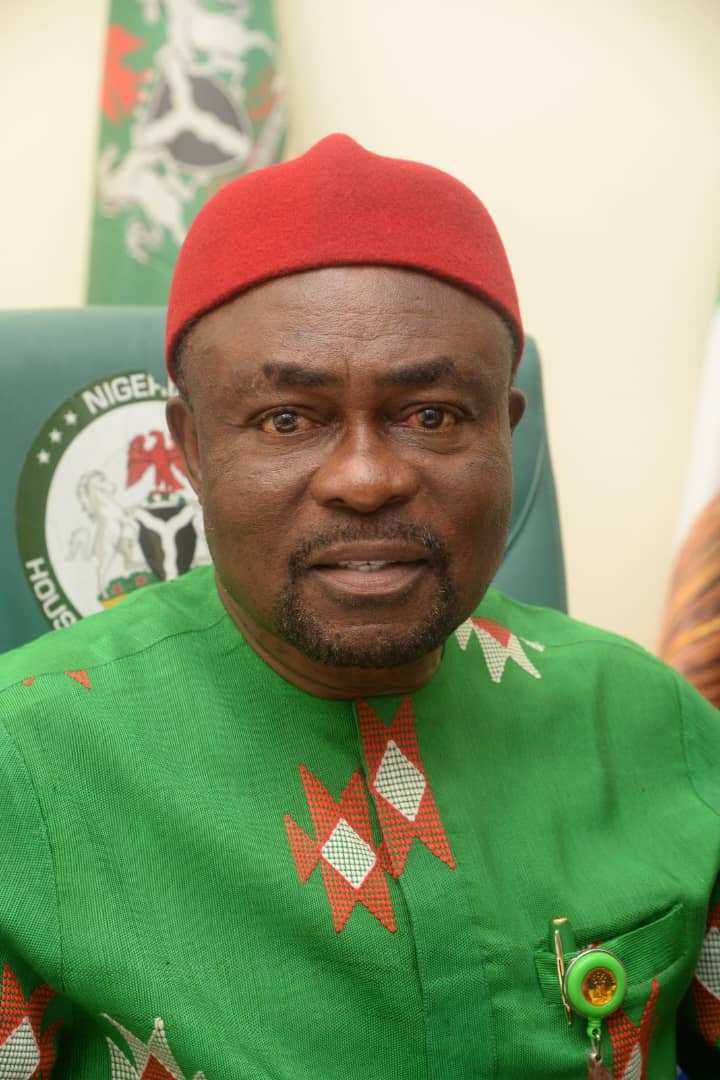


EASTER: NKWONTA ENJOINS CONSTITUENTS AND NIGERIANS TO IMBIBE CHRIST-LIKE VIRTUES
Rep. Nkwonta Facilitates With Constituents, Nigerians On Easter

I Am Not Stepping Aside- Atiku

Am Alive, Pete Edochie Declares, debunks Death Rumours

Son Kills Father Over Land Dispute ln Abia

Governors’ grip on LG funds Ends Soon- FG
-
 Politics2 months ago
INEC Releases Timetable For 2027 Elections
-
 News3 months ago
FG–ASUU Agreement: Professors to get ₦140k monthly allowance - Education Minister
-
 News2 months ago
Abia leaders declare support for Otti’s second term, dismiss opposition.
-

 News2 months ago
2 men machete each other to death over plantain
-

 News2 months ago
Police Inspector shoots colleague dead, injures another
-
 Entertainment2 months ago
Am Alive, Pete Edochie Declares, debunks Death Rumours
-
 Politics2 months ago
LP crisis: Abure Adamant, rejects reconciliation move
-
 News2 months ago
Otti’s LP bloc seeks reconciliation as court sacks Abure