
News
Constitution Review: Uzodimma, Otti differ on creation of new states

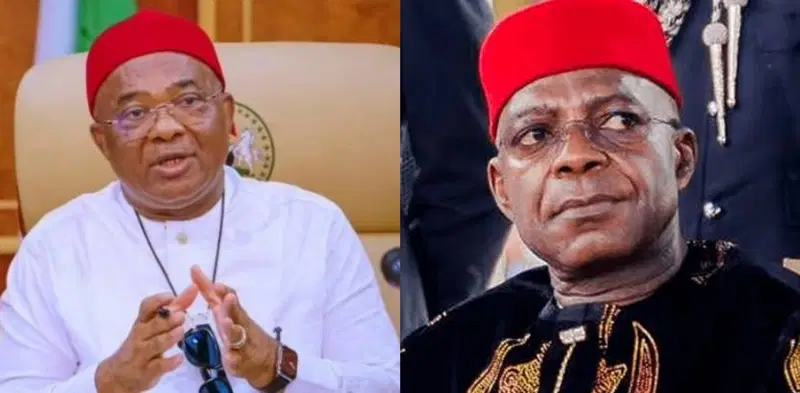
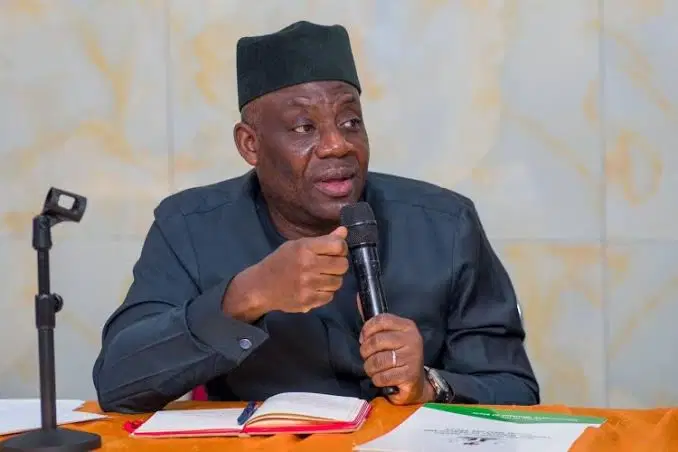
Gov. Hope Uzodimma of Imo and his Abia counterpart, Gov. Alex Otti, on Saturday, expressed varied opinions on state creation at a public hearing on the 1999 Constitution Review.
The News Agency of Nigeria (NAN) reports that the exercise was organised in Owerri for both states.
And while Uzodimma advocated for the creation of additional states in the South-East, Otti expressed reservations about creating 31 additional states in the country.
Uzodimma said that additional states for the South-East would promote equity and justice for the Igbo people and also address the perceived marginalisation of the region.
“Every other zone has six or more states. “This imbalance has led to underrepresentation in critical national institutions, from the National Assembly to the Federal Executive Council. It has shrunk our voice and abridged our inclusivity.
“Therefore, it’s only fair and just that we ask for the creation of at least two additional states in the South-East,” Uzodimma said.
He specifically called for the creation of Anim State, saying that it would boast of an oil-producing status upon creation.
“This makes it commercially viable, with sufficient revenue base to self-sustenance.
“This should naturally go hand in hand with the creation of new local government areas for the zone,” he said.
On the issue of indigeneship, he said anyone born in a state or had lived in a state for upwards of 10 years should be considered a legitimate indigene of that state in the proposed constitutional amendments.
The governor further called for the constitutional entrenchment of rotational presidency, “not along the ambiguous North–South divide, but along our six established geopolitical zones”.
He expressed the need for decisive position on the issue of state Police, saying that the current centralised policing structure was overstretched and often disconnected from local realities.
“As the Chairman of the Progressive Governors Forum, I can confirm that we support the decentralisation of the police for greater responsiveness and effectiveness.
“The fear that governors will misuse such a force is unfounded and frankly outdated,” Uzodimma said.
He urged the committee to be guided by the hope of millions of Nigerians, who seek a Constitution that truly belongs to them – “one that ensures fairness, equity, and a level playing field for all”.
He described the public hearing as “democracy at work” and commended the National Assembly for its sustained efforts to deepen democracy through periodic constitutional reviews.
However, Otti, who was represented by his Deputy, Mr Ikechukwu Emetu, cited concerns that additional states would overstretch Nigeria’s limited resources.
Instead, Otti recommended inclusive governance within the existing states, advocating equitable resource allocation and political representation for all major clans and groups.
Otti said: “I am aware that proposals for the creation of 31 new states were received by the National Assembly, prior to this time.
“I respect the right of those who believe that the creation of new states would address concerns of marginalisation and exclusion of some ethnic and religious groups in the current structure in some parts of the country.
“I am more concerned about the additional burden these proposals, if adopted, would add to the lean resources of the nation through the multiplication of administrative costs and further bloating of an oversized bureaucracy.
“Except we can magically find independent sources of financing the new states outside what currently exists, I do not share the optimism of those promoting the idea of adding new states to the current 36-state structure.
“My recommendation would be the development of an inclusive governance model in the states, one that gives every major clan a say in the allocation of resources, a seat at the decision-making table and the structural leverage to advance their political and economic interests,” he said.
Otti said that Nigerians should be more concerned about improving the economic structure of the states, double efforts at creating jobs for the young people outside the civil service and make the welfare of the common man a priority.
“The present system is too elite-driven to be functional. The time has come to put the ordinary people at the centre of decision making,” he said.
He further said the present realities in the country made the creation of state police a matter of urgent national priority.
According to him, the current exclusive federal policing system is largely inadequate and exposes the people to a litany of vulnerabilities over the years.
“So, I would vote for the creation of State Police but with a proviso that standards be clearly defined as it relates to leadership, relationship with federal and other sub-national policing structures, recruitments, accountability and respect for human rights,” he said.
The Abia governor also endorsed the creation of additional seats for women in the national and state assemblies, saying that it would give women the opportunity to shape the character of the Nigerian governance architecture.
He also called for the strengthening of internal processes within political parties, to make for the active participation of women in decision-making.
Otti further called for caution and a holistic appreciation of the broad implications on the proposal to alter the provisions of the 1999 Constitution to establish the local government councils as a separate tier of government.
“We must be mindful of further bloating an already-overfed bureaucracy,” he said.
He called for the total adoption of the proposal seeking to make free and compulsory basic education a fundamental right of all citizens.
“Our target should not be to create a perfect constitution, but build on the gains that have been made over the past 26 years since the present Constitution came into effect,” he said.
Earlier in a speech, the Deputy Speaker and Chairman, House of Representatives Committee on Constitution Review, Mr Benjamin Kanu, called for robust and rigorous participation from the Imo and Abia participants.
Kanu described the public hearing as a “national conversation and voice of the people” to shape the destiny of the nation.
He said: “Nigeria’s journey since independence has been a continuous quest for a constitutional order that truly reflects the aspirations and diversity of its people.
“The 2025 constitutional review process is, without doubt, the most comprehensive and inclusive in our nation’s history.
“Our mandate is clear: to close the gaps in our legal system, strengthen our institutions, and ensure that every Nigerian, regardless of state, status or gender, is fairly represented and protected under the law.
“This is a sacred duty, and one we do not take lightly,” the lawmaker said.
He said that since its inauguration in February 2024, the committee had embraced an approach rooted in transparency, broad consultation, and rigorous debate.
“We have held retreats, sectoral engagements with the judiciary, high-level dialogues on security, and international collaborations to advance gender equality.
“We have convened a Local Government Summit to address the urgent need for grassroots autonomy, following the landmark Supreme Court decision on local government elections.
“These are not mere formalities; they are genuine efforts to ensure that every voice is heard, every concern considered, and every proposal subjected to the highest standards of scrutiny,” he said.
Kanu also said the committee was currently considering 87 prioritised constitutional amendment bills, each touching on the most pressing issues facing the nation.
He lauded President Bola Tinubu’s commitment to the rule of law, respect for the legislature’s constitutional role, and his bold strides in governance reform.
Our correspondent reports that representatives of various stakeholders also presented their positions on the prioritised constitutional amendment bills.
Source : Vanguard.


Obi urges issue-based campaigns

Tinubu Is Disconnected From Nigerians – APM

Nigeria demands two permanent UN seats, veto powers for Africa

Peter Obi is clueless, overrated — Onanuga

2027: Imansuagbon urges South to back Atiku, says Nigeria needs unifier

Govt bans sales of unverified alcohol after ” Monkey Tail” kills 30
-
 Politics9 months ago
INEC Releases Timetable For 2027 Elections
-
 News9 months ago
FG–ASUU Agreement: Professors to get ₦140k monthly allowance - Education Minister
-
 News9 months ago
Abia leaders declare support for Otti’s second term, dismiss opposition.
-
 News6 months ago
EASTER: NKWONTA ENJOINS CONSTITUENTS AND NIGERIANS TO IMBIBE CHRIST-LIKE VIRTUES
-

 News9 months ago
Police Inspector shoots colleague dead, injures another
-

 News9 months ago
2 men machete each other to death over plantain
-
 Entertainment8 months ago
Am Alive, Pete Edochie Declares, debunks Death Rumours
-
 Politics8 months ago
LP crisis: Abure Adamant, rejects reconciliation move