
News
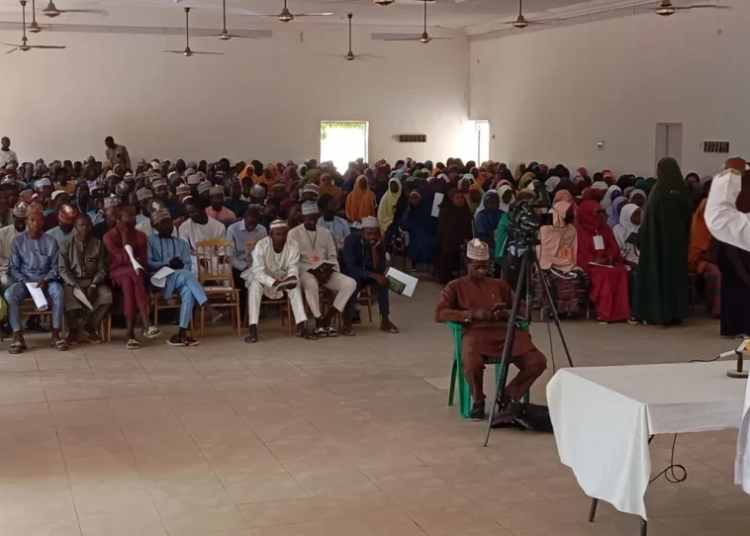
Katsina Prepares 1000 Couples Ahead Of Massive April Wedding




News12 hours ago
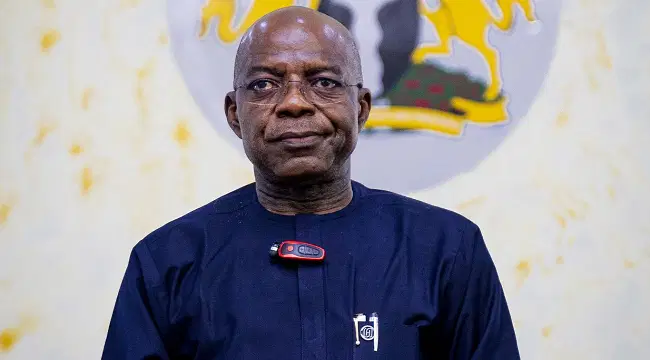
New financial markets facility set to open in Abia

Politics13 hours ago
I Won’t Help Politicians Win Elections In Their States – Wike

News13 hours ago
Abia debunks N50,000 akara tax claim

News2 months ago
Two killed, three rescued in Anambra students’ hostel collapse

Politics2 months ago
Obasanjo bombs Atiku: You’re my biggest mistake

News2 months ago
UniAbuja Law Student Wins West Africa Speech Contest, Claims $1,000 Prize
-

 Politics8 months ago
INEC Releases Timetable For 2027 Elections
-
 News8 months ago
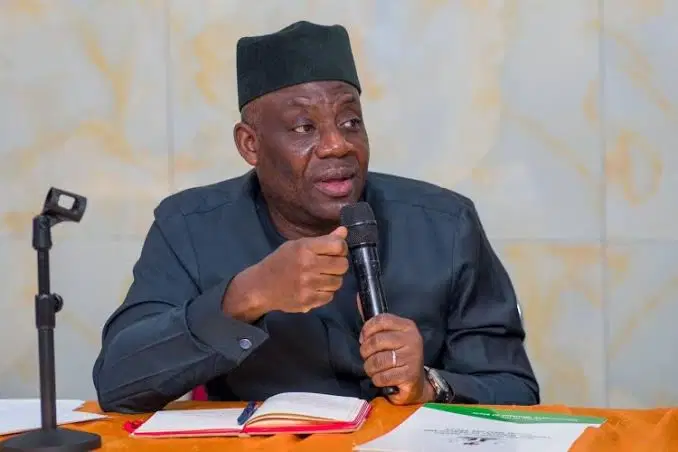
FG–ASUU Agreement: Professors to get ₦140k monthly allowance - Education Minister
-

 News8 months ago
Abia leaders declare support for Otti’s second term, dismiss opposition.
-

 News8 months ago
2 men machete each other to death over plantain
-

 News8 months ago
Police Inspector shoots colleague dead, injures another
-

 News6 months ago
EASTER: NKWONTA ENJOINS CONSTITUENTS AND NIGERIANS TO IMBIBE CHRIST-LIKE VIRTUES
-

 Entertainment7 months ago
Am Alive, Pete Edochie Declares, debunks Death Rumours
-
 Politics8 months ago
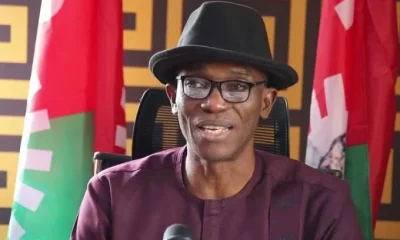
LP crisis: Abure Adamant, rejects reconciliation move